Chamba this month · {{ monthLabel }}
{{ filmCaption }}
A new short film from Chamba, every month.
Stone that remembers a thousand years
Before the valley wakes, the first light finds the shikhara of the Lakshmi Narayan temples — carved from grey Himalayan stone in the 10th century and still tended every morning. Chamba was founded around 920 AD by Raja Sahil Varman, one of the oldest living hill kingdoms in India. Its Bhuri Singh Museum keeps the miniature Pahari paintings and copper-plate grants that carry the valley’s memory forward.
The sound of a temple bell, and woodsmoke on cold air.
A valley that lives by its fairs
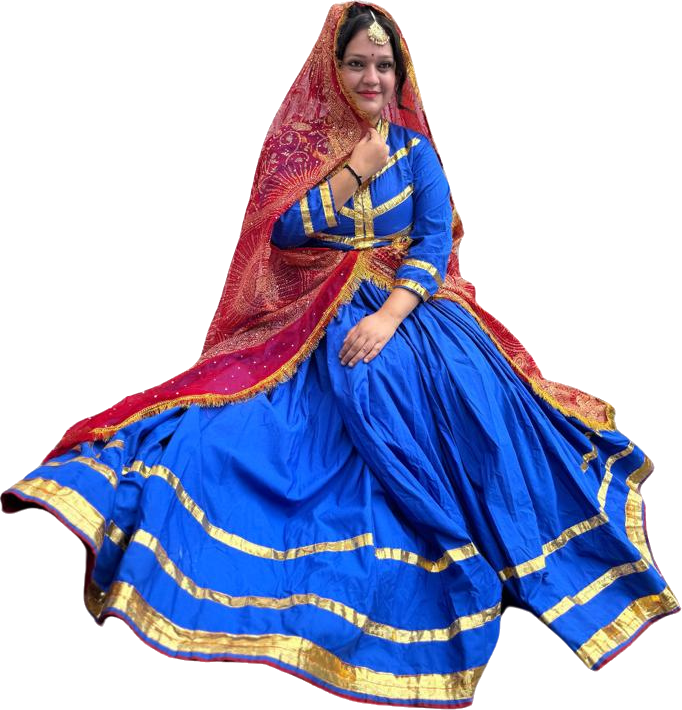
Each monsoon, the week-long Minjar Mela fills the Chaugan grounds — silk tassels tied to the wrist, then floated down the Ravi as a prayer for a good harvest. The women dance the Kunjari-Malhar, hands linked; the men their own slow rounds. Chamba’s rumal — its double-sided embroidered kerchief — and its soft chappals are craft the valley has practised for centuries. Here, tradition is not remembered; it is worn.
Drums over the Chaugan, and marigold underfoot.
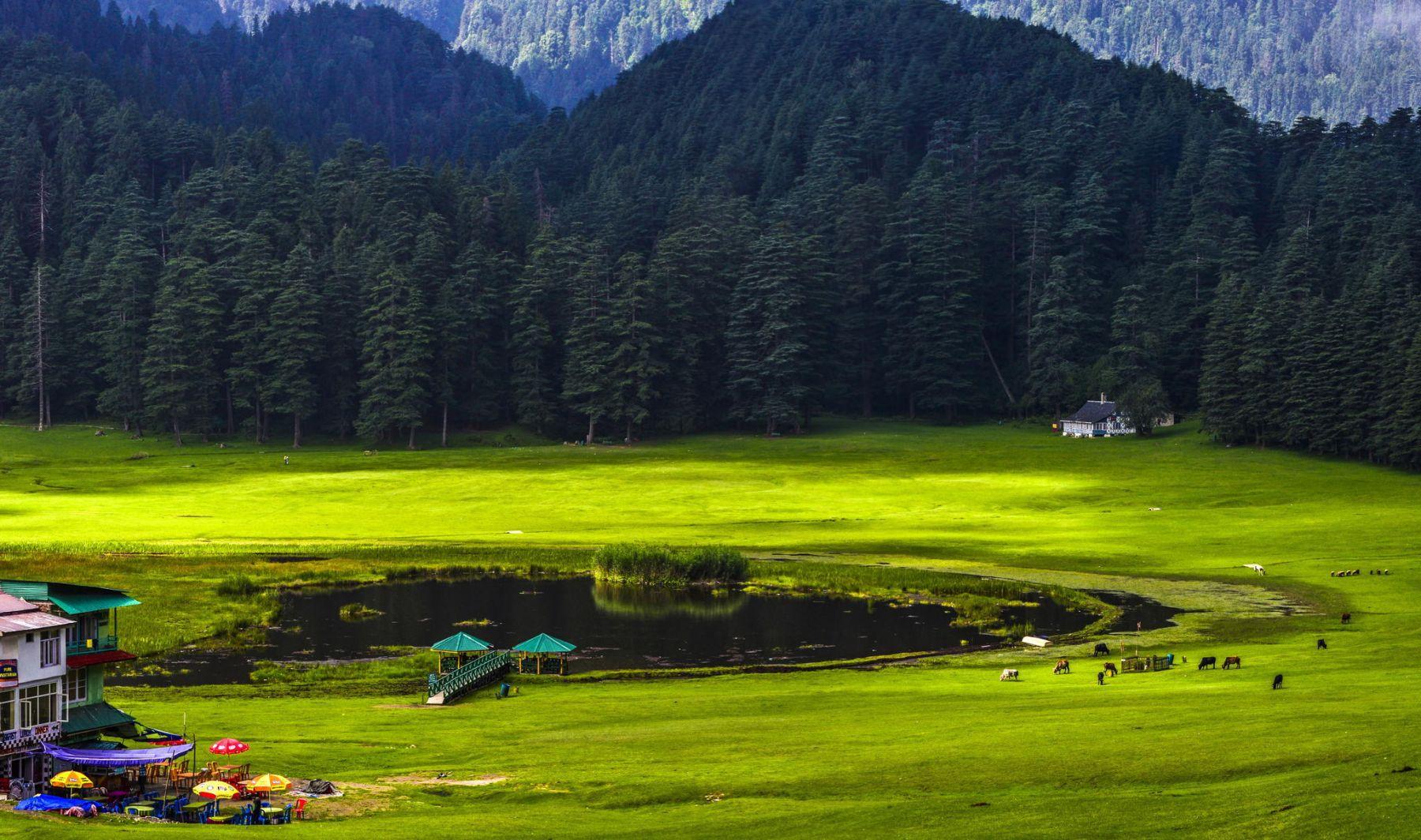
Where the Himalayas breathe
The turquoise waters of Chamera Lake, the snow-capped peaks beyond, and the untouched valleys of Chamba remind us that nature here is more than scenery—it is a way of life. These mountains nurture the herbs, fruits, and traditions that inspire every HimaBrews creation.
Nature untouched. Wellness inspired.
Woodsmoke and slow food
As the light drops, kitchens fill with the smell of madra — chickpeas simmered slow in yogurt and hill spices — the heart of the ceremonial dham feast served on leaf plates. There is chha gosht, warming babru, red-rice from the terraces, and always a cup of something steeping on the stove. Food in Chamba is unhurried on purpose: a way of holding the table together a little longer.
Cardamom and ghee, and a fire settling for the night.